
DSC Security System User Manual: An Overview
This manual provides comprehensive guidance for DSC PowerSeries systems, covering installation, programming, and troubleshooting. Access manuals, guides, and specifications for various DSC security devices.
DSC (Digital Security Controls) is a leading manufacturer of security systems, renowned for its innovative and reliable technology. Their systems protect residential and commercial properties globally, offering a broad range of solutions – from basic intrusion detection to comprehensive access control and fire alarm integration.
DSC PowerSeries systems are particularly popular, known for their scalability and advanced features. This user manual aims to provide a clear understanding of these systems, empowering users to effectively manage and maintain their security. Downloadable manuals and guides are readily available for various models like PC5015, PC5010, and R003.
Understanding System Components
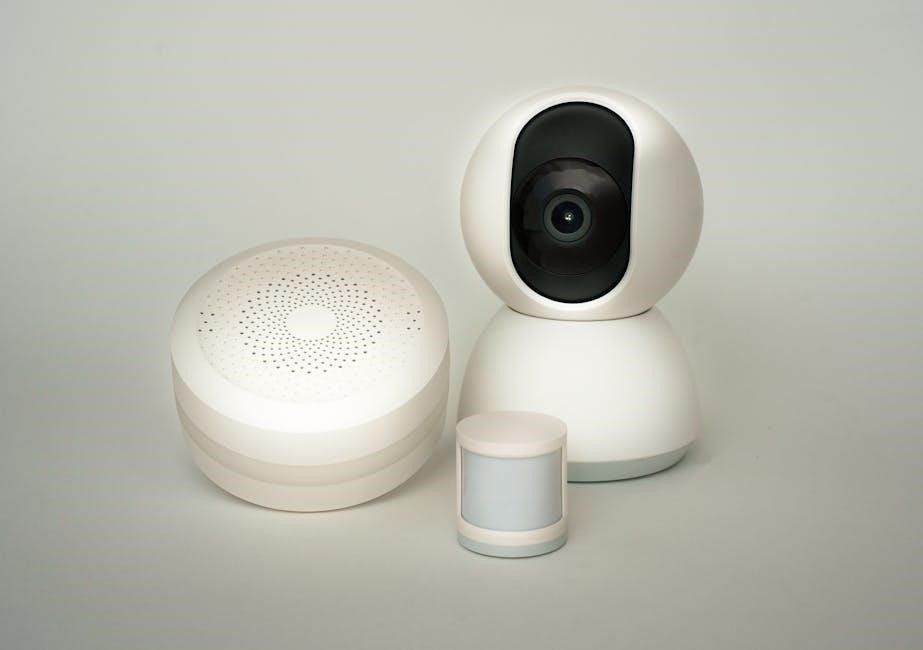
A DSC security system comprises several key components working in unison. These include the control panel (like PC5015 or PC5010), which serves as the system’s brain, processing signals from various sensors. Key fobs and remotes enable convenient arming and disarming. Door and window contacts, motion detectors, and glass break sensors detect intrusions.
The system also utilizes a communicator – either a phone line or IP connection – to relay signals to a monitoring station. Battery backup ensures operation during power outages. Understanding each component’s function is crucial for effective system management and troubleshooting, as detailed in the available manuals.
System Setup and Initial Configuration
Initial setup involves enrolling devices, setting the correct time and date, and configuring personalized user codes for secure access and system control.
Enrolling Key Fobs and Remotes
To enroll key fobs or remotes, access the programming mode on your DSC panel. Typically, this involves entering a master code followed by a specific enrollment sequence; The system will then prompt you to activate the device – usually by pressing a button on the fob.
Successful enrollment is confirmed by a signal received by the panel. Repeat this process for each additional fob or remote. Ensure each device receives a unique identifier within the system. Refer to your specific model’s manual (PC5015, PC5010, or R003) for detailed, step-by-step instructions, as procedures can vary slightly.
Setting the System Clock and Date
Accurate time and date settings are crucial for event logging and system functionality. Access the programming mode using your master code. Navigate to the clock/date setting menu – the exact path varies by DSC model (PC5015, PC5010, R003).
Enter the current date and time, following the system’s prompted format (). Confirm your entries and exit the programming mode. Verify the correct time display on the panel. Incorrect settings can affect reporting and historical data analysis. Consult your specific model’s manual for precise instructions.
Configuring User Codes
User codes grant authorized access to arm and disarm the security system. Access the programming mode with your master code. Navigate to the user management section. Assign unique four-digit codes to each user, avoiding easily guessable numbers like birthdays.
Define user access levels – master, arm/disarm only, or limited privileges. Regularly update codes for enhanced security. Document all assigned codes securely; Remember to test each code after creation to ensure proper functionality. Refer to your DSC model’s manual for specific programming steps.
Arming and Disarming the System
Utilize Stay, Away, and Night modes for tailored security. Enter your valid user code to arm or disarm, and be mindful of entry/exit delay timers.
Arming Modes: Stay, Away, Night
DSC systems offer versatile arming modes to suit your needs. Stay mode secures the perimeter while allowing movement inside, ideal for nighttime. Away mode activates all sensors, providing full protection when the premises are vacant. Night mode is a customizable option, often used to arm perimeter zones and selected interior zones, offering a balance between security and convenience.
Understanding these modes is crucial for effective system operation. Proper selection ensures appropriate protection levels based on occupancy and activity. Refer to your system’s programming for customized settings within each mode.
Disarming Procedures and Panic Buttons
Disarming your DSC system requires entering a valid user code via the keypad within the designated entry delay period. Failure to do so will trigger an alarm. Panic buttons, available on key fobs or keypads, instantly signal an emergency to the monitoring station. These buttons can be programmed for fire, medical, or police response.
Familiarize yourself with disarming procedures and panic button locations. Regularly test panic buttons to ensure proper functionality and a swift response in critical situations. Incorrect disarming can lead to false alarms.
Understanding Entry and Exit Delays
Entry and exit delays are crucial timing periods programmed into your DSC system. Exit delays allow you time to leave the premises after arming the system, preventing false alarms. Entry delays provide a window to disarm the system upon entering, avoiding an immediate alarm trigger.
These delays are configurable and depend on zone programming. Adjusting these times requires accessing the system’s programming mode. Incorrect settings can cause unnecessary alarms or compromise security. Always test these delays after any adjustments.
Zone Programming and Configuration
Define zones as entry, interior, or perimeter to customize system behavior. Bypass zones when needed, and efficiently troubleshoot any zone faults for optimal security.
Defining Zone Types (Entry, Interior, Perimeter)
DSC systems categorize zones for tailored security responses. Entry zones, typically doors and hallways, allow a delay for disarming. Interior zones cover rooms within the protected area, triggering immediate alarms. Perimeter zones safeguard the building’s exterior – windows and outer doors – offering early detection of breaches.
Proper zone definition is crucial for accurate alarm verification and minimizing false alarms. Configuring zones correctly ensures the system reacts appropriately to different events, enhancing overall security effectiveness. Understanding these distinctions allows for a customized and reliable security solution.
Zone Bypass Functionality
DSC systems offer zone bypass, temporarily disabling specific zones from alarm monitoring. This feature is useful when a sensor is faulty, a window is open, or a pet is roaming freely. Bypassing prevents nuisance alarms while maintaining overall system protection.
Users can bypass zones through the keypad or remote access. It’s essential to remember bypassed zones are not actively monitored, so re-enable them promptly after addressing the issue. Careful use of bypass functionality ensures a balance between convenience and security.
Troubleshooting Zone Faults
Zone faults indicate a problem with a sensor or its wiring. Common causes include low batteries, loose connections, or a malfunctioning sensor. The system displays a fault code identifying the affected zone. First, check the sensor for physical damage and secure connections.
If the issue persists, replace the battery or test the sensor’s functionality. Refer to the system’s event log for historical data. If unable to resolve, consult a qualified technician to diagnose and repair the fault, ensuring continued system reliability.

Advanced System Features
DSC systems offer partitioning, remote access via mobile apps, and detailed event log reviews. These features enhance control and provide comprehensive security monitoring capabilities.
Partitioning and Multiple User Control
DSC systems support partitioning, allowing you to divide a property into independently secured zones. This is ideal for businesses or large homes with varied security needs. Each partition can have its own arming schedule, user codes, and access privileges. Multiple user control enables assigning different access levels – master users, standard users, and temporary users – granting customized control over the system. This granular control ensures that only authorized personnel can arm, disarm, or modify system settings within specific partitions, enhancing overall security and accountability. Proper configuration is key to maximizing these features.
Remote Access and Mobile App Integration
DSC security systems offer remote access and control via mobile applications, typically through partnerships with providers like DSC’s own mobile app or third-party platforms. This integration allows users to arm or disarm the system, receive real-time notifications of alarms or events, and view system status from anywhere with an internet connection. Remote access often requires a compatible communicator (IP or cellular) and a configured account. Ensure secure password practices and app updates to protect against unauthorized access. This feature provides convenience and peace of mind.
Event Log Review and History
DSC systems maintain a detailed event log, recording all system activities, including arming/disarming events, zone activations, faults, and communication history. Accessing this log is crucial for troubleshooting and understanding system behavior. Reviewing the history helps identify patterns, potential issues, or unauthorized access attempts. The log can typically be accessed through the keypad or, more comprehensively, via software connected to the control panel. Regularly reviewing the event log enhances system security and provides valuable diagnostic information for maintenance purposes.
Maintenance and Troubleshooting
Regular testing of the battery backup, communicator, and sensors is vital. Addressing common error codes promptly ensures optimal system performance and reliability.
Battery Backup and Power Supply
The DSC system relies on a robust power supply, supplemented by a battery backup for uninterrupted operation during power outages. Regularly inspect the battery’s condition – typically every 1-2 years – and replace it when necessary to ensure continued security. A failing battery can lead to false alarms or system failure.
Verify the power supply is securely connected and functioning correctly. Low voltage can also trigger issues. Consider a UPS (Uninterruptible Power Supply) for extended backup during prolonged outages. Proper maintenance of both the power supply and battery is crucial for a dependable security system.
Communicator Testing (Phone Line/IP)
Regularly test your DSC system’s communicator – whether it uses a traditional phone line or an IP (Internet Protocol) connection – to ensure signals are being reliably transmitted to the monitoring station. Phone line tests verify dial tone and clear communication. IP communicators require checking network connectivity and signal strength.
Follow the system’s programming instructions to initiate a communicator test. Successful completion confirms the monitoring station receives signals. Failure indicates a potential communication issue requiring immediate attention. Contact your monitoring provider for assistance if tests fail.
Common Error Codes and Solutions
DSC systems utilize error codes to diagnose issues. A “COMM FAULT” typically indicates a communication problem with the monitoring station – check phone line or internet connection. “TAMPER” alerts signify a sensor has been compromised; inspect the device for damage or obstruction. “LOW BATTERY” requires immediate battery replacement in sensors or the control panel.
Refer to your system’s programming manual for a complete list of error codes and their meanings. Attempt simple troubleshooting steps like power cycling the panel before contacting technical support. Document the error code for efficient assistance.
Programming the System (Basic)
Access programming mode using a master code, enabling adjustments to zone definitions and system settings. Ryan Malanoski’s guide demonstrates basic DSC programming steps effectively.
Accessing the Programming Mode
Entering the programming mode requires a valid master user code, typically the default provided during initial system setup. This code grants access to modify system parameters, zone configurations, and user settings. Refer to your specific DSC model’s manual (PC5015, PC5010, or R003) for the precise sequence. Generally, it involves entering a specific code followed by the “*” key.
Incorrect attempts may trigger a system fault or lockout. Alarm System Store’s programming tutorials, featuring Ryan Malanoski, visually demonstrate this process. Always document your master code securely and avoid sharing it with unauthorized individuals to maintain system integrity and security.
Changing Zone Definitions
Within programming mode, zone definitions dictate how the system interprets sensor activity. You can modify a zone’s type – entry/exit, interior, perimeter, or instant – influencing arming behavior and alarm responses. DSC manuals detail specific codes for each zone type. For example, changing a perimeter zone to instant triggers an immediate alarm upon activation, bypassing entry delays.
Ryan Malanoski’s tutorials on Alarm System Store demonstrate this process. Carefully consider the function of each sensor when redefining zones to ensure optimal security and minimize false alarms. Incorrect definitions can compromise system effectiveness.
Adjusting System Settings
System settings control core functionalities like entry/exit delays, alarm durations, and communication protocols. Access these options within the programming mode, utilizing specific installer codes. DSC PC3000 manuals provide detailed code lists and explanations for each setting. Adjusting entry delays allows customization for property size and user habits.
Alarm duration determines how long the siren sounds. Refer to Alarm System Store’s programming guides for step-by-step instructions. Incorrect settings can hinder system performance; always document changes for future reference.
Specific DSC Models & Manuals
Downloadable PDFs are available for PC5015, PC5010, and R003 systems, offering detailed instructions and troubleshooting guides for each DSC security model.

PC5015 System Guide
The DSC PC5015 is a popular, expandable control panel offering robust security features; This guide details its installation, programming, and operation. Users can access comprehensive documentation covering zone definitions, user code management, and system settings. Learn to navigate the programming mode to customize the system to specific needs, including adjusting entry/exit delays and configuring alarm responses. Troubleshooting sections address common error codes and provide solutions for maintaining optimal performance. Explore advanced features like partitioning and remote access integration for enhanced control and monitoring of your security system.
PC5010 System Guide
The DSC PC5010 is a versatile and reliable security control panel, ideal for residential and small commercial applications. This guide provides detailed instructions for installation, programming, and system operation. Users will find information on zone programming, defining zone types (entry, interior, perimeter), and configuring bypass functionality. Learn how to manage user codes, set system clocks, and adjust various settings to personalize your security setup. Troubleshooting tips address common issues, ensuring optimal system performance. Downloadable manuals offer comprehensive support for this widely-used security system.
R003 System Guide
The DSC R003 is a popular receiver module designed for use with DSC’s PowerSeries security systems, enabling wireless communication. This guide details installation procedures, ensuring proper connection to the control panel. It covers enrollment of wireless sensors, including key fobs and remotes, for convenient system control. Users will learn about signal strength analysis and troubleshooting wireless connectivity issues. Configuration options are explained, allowing customization of wireless zone settings. Access downloadable manuals for in-depth information and support regarding the R003 receiver module’s functionality.

Security Best Practices
Regularly test your DSC system, maintain sensor integrity, and promptly update firmware to ensure optimal performance and robust protection against evolving threats.
Regular System Testing
Consistent testing is crucial for a reliable DSC security system. Weekly walk tests verify sensor functionality, ensuring each zone accurately reports its status to the control panel. Confirm communication with the monitoring center – a failed signal defeats the system’s purpose. Test the battery backup to guarantee operation during power outages. Regularly check the event log for any unusual activity or errors. Document all testing procedures and results. Proactive testing identifies potential issues before an emergency, maximizing your security investment and providing peace of mind. Don’t neglect this vital step!
Maintaining Sensor Integrity
Proper sensor maintenance is paramount for DSC system effectiveness. Regularly inspect all sensors – door/window contacts, motion detectors, and glass break sensors – for physical damage or obstructions. Clean sensors with a soft, dry cloth to remove dust and debris. Verify proper alignment and secure mounting. Replace batteries in wireless sensors proactively, before they fail. Check wiring connections for corrosion or looseness. Environmental factors can impact performance; address any issues promptly. Compromised sensors create vulnerabilities, so diligent upkeep is essential for reliable security.
Updating Firmware
Keeping your DSC system’s firmware current is crucial for optimal performance and security. Firmware updates often include bug fixes, enhanced features, and improved compatibility. Check the DSC website regularly for available updates specific to your system model (PC5015, PC5010, R003). Follow the provided instructions carefully during the update process to avoid system interruption. A stable power supply is essential during firmware upgrades. Outdated firmware can leave your system vulnerable to exploits, so prioritize these updates for robust protection.