
Magegee Keyboard Manual: A Comprehensive Guide
Navigating the world of mechanical keyboards can be tricky, and this manual aims to demystify your Magegee experience.
Understanding affect versus effect is crucial for clear communication, as highlighted in numerous grammar guides and articles.
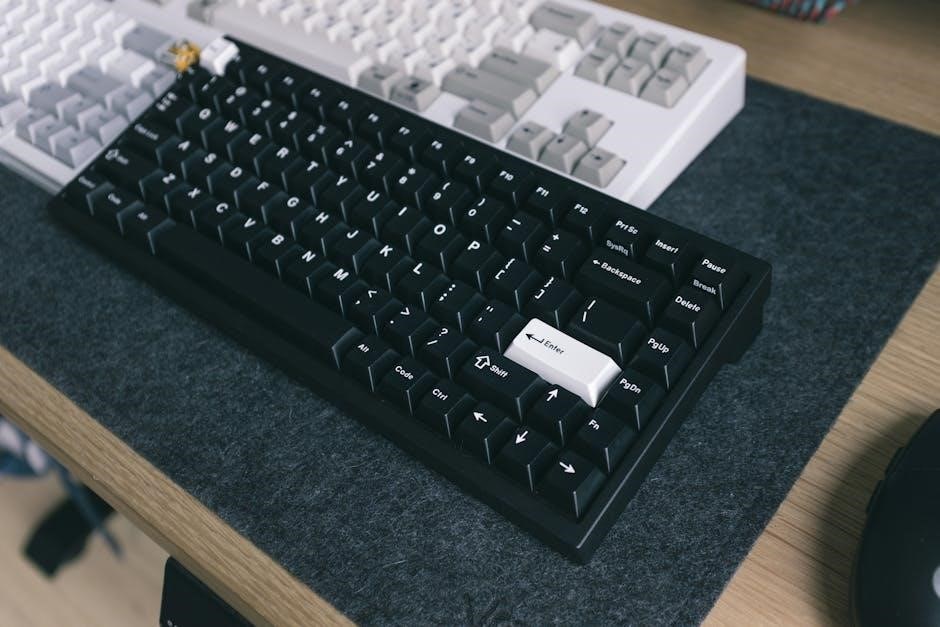
Welcome to the world of Magegee keyboards! This section introduces you to the core philosophy behind our designs – a blend of performance, customization, and user-friendly functionality. We understand that choosing a keyboard is a personal experience, and we’ve engineered Magegee keyboards to adapt to your needs, not the other way around.
Whether you’re a seasoned gamer, a coding enthusiast, or simply someone who spends a lot of time typing, a quality keyboard can significantly enhance your productivity and enjoyment. As demonstrated by numerous online resources discussing proper grammar – like the distinction between ‘affect’ and ‘effect’ – precision and clarity are paramount. Similarly, a precise and responsive keyboard is essential for accurate input.
This manual will guide you through every aspect of your Magegee keyboard, from initial setup to advanced customization options. We’ll cover everything from understanding the different switch types to programming macros and controlling the RGB lighting. Prepare to unlock the full potential of your new keyboard!
Unboxing and Initial Setup
Carefully unpack your Magegee keyboard and verify that all components are present. You should find the keyboard itself, a detachable cable (USB-A to USB-C, typically), keycap puller, switch puller (depending on model), and this manual. Inspect the keyboard for any visible damage that may have occurred during shipping. If damage is present, contact our support team immediately.
Before connecting, familiarize yourself with the keyboard’s layout. Note the placement of function keys, media controls, and any dedicated macro keys. Just as understanding the difference between ‘affect’ and ‘effect’ clarifies communication, understanding the layout clarifies operation. Connect the cable to an available USB port on your computer. The keyboard should be automatically detected by your operating system.
For wireless models, proceed to the ‘Wireless (Bluetooth) Connection Instructions’ section. For wired models, the keyboard is now ready for use! We recommend testing all keys to ensure functionality.
Keyboard Components Overview
The Magegee keyboard comprises several key components working in harmony. The frame, typically constructed from aluminum or high-grade plastic, provides structural integrity. Beneath the keycaps reside the switches – the heart of the mechanical experience – dictating tactile feedback and actuation force. Above are the keycaps themselves, available in various materials and profiles for personalized comfort.
A printed circuit board (PCB) connects all components, transmitting signals to your computer. The stabilizers, located under larger keys (Spacebar, Shift, Enter), minimize wobble and ensure smooth key presses. Many models include a detachable USB cable for connectivity, and some feature wireless capabilities via Bluetooth.
Understanding these parts, much like grasping the difference between ‘affect’ and ‘effect’ in language, enhances your overall understanding and appreciation of the keyboard’s functionality. Proper care of each component ensures longevity and optimal performance.
Keycap Material and Profile

Magegee keyboards offer keycaps in diverse materials, each impacting feel and durability. ABS plastic is common, providing a smooth texture but prone to shine over time. PBT plastic is more durable, resistant to shine, and offers a slightly textured feel. Some premium models utilize double-shot PBT, where legends won’t fade.
Keycap profile refers to the shape and height of the keycaps. Cherry profile is popular for its sculpted shape and comfortable typing experience. OEM profile is similar but slightly taller. SA profile boasts a vintage aesthetic with tall, spherical keycaps. DSA profile offers a uniform height across all rows.
Choosing the right material and profile, similar to understanding ‘affect’ versus ‘effect’ for clear communication, is crucial for a personalized typing experience. Consider your preferences for texture, durability, and aesthetics when selecting keycaps.
Switch Types Available (and their feel)
Magegee keyboards support a variety of mechanical switches, each offering a distinct typing experience. Linear switches, like Cherry MX Red or Speed Silver, provide a smooth, consistent keystroke without tactile feedback – ideal for gaming. Tactile switches, such as Cherry MX Brown, offer a noticeable bump when the key actuates, providing feedback for typing.
Clicky switches, like Cherry MX Blue, combine tactile feedback with an audible click, offering the most pronounced feedback. Switch ‘feel’ is subjective, much like correctly using ‘affect’ versus ‘effect’ requires understanding nuance. Factors like actuation force and travel distance also contribute.
Experimenting with different switch types is recommended to find your preference. Magegee offers hot-swappable models, allowing easy switch changes without soldering, enhancing customization.
Connecting the Magegee Keyboard
Establishing a connection with your Magegee keyboard is straightforward, offering both wired and wireless options. Before proceeding, ensure the keyboard is adequately charged if opting for a wireless setup. A stable connection is paramount, much like understanding the difference between ‘affect’ and ‘effect’ for clear communication.
For wired connections, simply plug the USB cable into an available port on your computer. The keyboard should be automatically detected by your operating system. For wireless (Bluetooth) connections, activate Bluetooth on your device and put the keyboard into pairing mode – typically by holding a designated key combination (refer to the ‘Unboxing’ section for specifics).
Once paired, the keyboard will automatically reconnect upon powering on. Troubleshooting connection issues is covered in a dedicated section.
Wired Connection Instructions
To connect your Magegee keyboard via a wired connection, locate the USB Type-C cable included in the packaging. Insert the USB-A end of the cable into an available USB port on your computer – USB 2.0 or 3.0 are both compatible. Then, connect the USB Type-C end securely to the corresponding port on the back of the keyboard.
Upon connection, most operating systems (Windows, macOS, Linux) will automatically detect the keyboard and install the necessary drivers. You may see a notification confirming successful installation. If not, try a different USB port or restart your computer. Remember, clear communication, like distinguishing ‘affect’ from ‘effect’, is key.
Once detected, the keyboard is ready for immediate use. No additional software installation is typically required for basic functionality. For advanced features, refer to the ‘Software Installation’ section.
Wireless (Bluetooth) Connection Instructions
To connect your Magegee keyboard wirelessly via Bluetooth, first, ensure the keyboard is powered on. Press and hold the Bluetooth pairing button – typically located on the back or side of the keyboard – until the indicator light begins to flash; This signifies the keyboard is in pairing mode.
On your computer, navigate to the Bluetooth settings. This is usually found in the system settings or control panel. Enable Bluetooth if it’s not already on, and initiate a scan for available devices. Your Magegee keyboard should appear in the list of detected devices, often identified by its model name.
Select the keyboard from the list and follow any on-screen prompts to complete the pairing process. You may be asked to enter a pairing code (usually ‘0000’ if prompted). Once paired, the indicator light on the keyboard will typically become solid, confirming a successful connection. Remember, understanding ‘affect’ versus ‘effect’ aids clear instructions!
Troubleshooting Connection Issues
If your Magegee keyboard experiences connection drops or fails to connect, several steps can resolve the issue. First, ensure the keyboard is sufficiently charged or has fresh batteries. Interference from other wireless devices can also disrupt the connection; try moving the keyboard closer to your computer or away from potential sources of interference.
Restarting both your keyboard and computer is a simple yet effective troubleshooting step. If using Bluetooth, ‘forget’ the keyboard in your computer’s Bluetooth settings and re-pair it. Check for updated Bluetooth drivers on your computer, as outdated drivers can cause connectivity problems. Remember, clear communication, like understanding ‘affect’ versus ‘effect’, is key to effective troubleshooting.
Finally, test the keyboard with another device to determine if the issue lies with the keyboard itself or your computer’s Bluetooth functionality. If problems persist, consult the FAQ section on our website.
Customization Options
The Magegee keyboard offers extensive customization to personalize your typing experience. Explore RGB lighting control, allowing you to select from millions of colors and dynamic effects to match your setup’s aesthetic. Macro programming enables you to assign complex commands to single keys, boosting efficiency in gaming and productivity tasks.
Key remapping functionality lets you redefine key assignments to suit your preferences, creating a layout optimized for your workflow. Understanding the nuances of language, like the difference between ‘affect’ and ‘effect’, parallels the precision offered by these customization features. Our intuitive software provides a user-friendly interface for managing these settings.
Dive into the software to unlock the full potential of your Magegee keyboard, tailoring it to your exact needs and preferences. Experiment with different profiles to create unique setups for various applications and games.
RGB Lighting Control
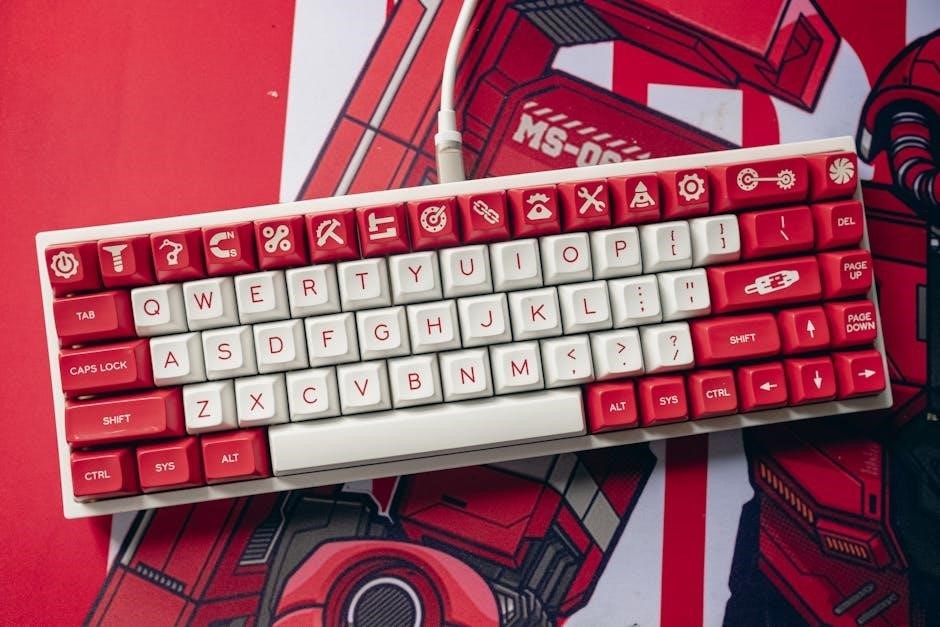
The Magegee keyboard boasts vibrant RGB lighting, offering a spectrum of customization options. Choose from pre-set lighting effects like breathing, wave, and reactive modes, or create your own unique patterns. Adjust brightness, speed, and color palettes to perfectly complement your setup’s aesthetic.
Our software allows for per-key customization, enabling you to assign different colors and effects to individual keys. This granular control lets you highlight important keys or create visually stunning designs. Remember, clear communication, like understanding the difference between ‘affect’ and ‘effect’, is key – and so is a visually appealing keyboard!
Sync your lighting with music or on-screen events for an immersive experience. Explore the possibilities and personalize your Magegee keyboard’s illumination to reflect your style.

Macro Programming

Magegee keyboards empower you with robust macro programming capabilities. Assign complex commands, key sequences, or text snippets to a single key press, streamlining your workflow and boosting productivity. Our intuitive software interface simplifies the macro creation process, even for beginners.
Record macros directly through gameplay or application usage, or manually define each key press and delay. Customize macro triggers to suit your needs – assign them to specific keys, key combinations, or even layers. Remember, precision in language, like correctly using ‘affect’ versus ‘effect’, mirrors the precision macros offer.
Save and load your custom macros for easy access and sharing. Explore online communities for pre-built macros tailored to your favorite games and applications. Unlock the full potential of your Magegee keyboard with powerful macro functionality.
Key Remapping
Unlock complete control over your keyboard layout with Magegee’s comprehensive key remapping features. Our software allows you to redefine any key to perform a different function, tailoring the keyboard to your unique preferences and workflow. This customization extends beyond simple swaps; you can assign multiple functions to a single key using modifier keys like Shift, Ctrl, or Alt.
Consider your most frequent tasks and optimize your layout accordingly. Reassign rarely used keys to essential commands, improving efficiency and reducing strain. Just as understanding the difference between ‘affect’ and ‘effect’ clarifies communication, thoughtful key remapping clarifies your interaction with the keyboard.
Save and load custom keymaps for different applications or games. Experiment with various layouts to discover what works best for you. The possibilities are endless, allowing you to create a truly personalized typing experience.
Software Installation and Usage
To fully harness the power of your Magegee keyboard, installing our dedicated software is essential. Download the latest version from our official website – ensure compatibility with your operating system (Windows, macOS). The installation process is straightforward; simply follow the on-screen prompts.
Once installed, launch the software. The intuitive interface provides access to all customization options, including RGB lighting control, macro programming, and key remapping. Just as understanding the nuances between ‘affect’ and ‘effect’ enhances clarity, mastering our software unlocks the keyboard’s full potential.
Explore the different tabs and settings. Regularly check for software updates to benefit from new features and bug fixes. Detailed tutorials and FAQs are available on our website to guide you through the process.
Common Issues and Troubleshooting
Encountering issues with your Magegee keyboard is rare, but this section addresses common problems. If a key isn’t responding, first check the keycap and switch for physical damage. Ensure the connection (wired or wireless) is secure. Similar to distinguishing ‘affect’ from ‘effect’ – a common language hurdle – these checks resolve many issues.
For connection drops, try a different USB port or re-pair via Bluetooth. Interference from other wireless devices can also cause disruptions. If the software isn’t recognizing the keyboard, restart both the keyboard and your computer.
Consult our online FAQ for more detailed troubleshooting steps. If problems persist, contact our customer support team with a detailed description of the issue. Remember to check our website for updated drivers and software.
Key Not Responding
If a key on your Magegee keyboard fails to register, begin with a visual inspection. Carefully remove the keycap – using a keycap puller is recommended to avoid damage – and examine the switch underneath for debris or physical obstructions. Just as understanding the difference between ‘affect’ and ‘effect’ requires careful attention, so does this inspection.
Next, test the key in the keyboard’s software configuration to confirm it’s not been accidentally remapped. If the issue persists, try gently blowing compressed air around the switch to dislodge any dust. A faulty switch may require replacement; contact customer support for assistance.
Ensure the keyboard is properly connected and recognized by your system. A loose connection or driver issue can also cause keys to become unresponsive. Restarting your computer can sometimes resolve these software-related problems.
Connection Drops
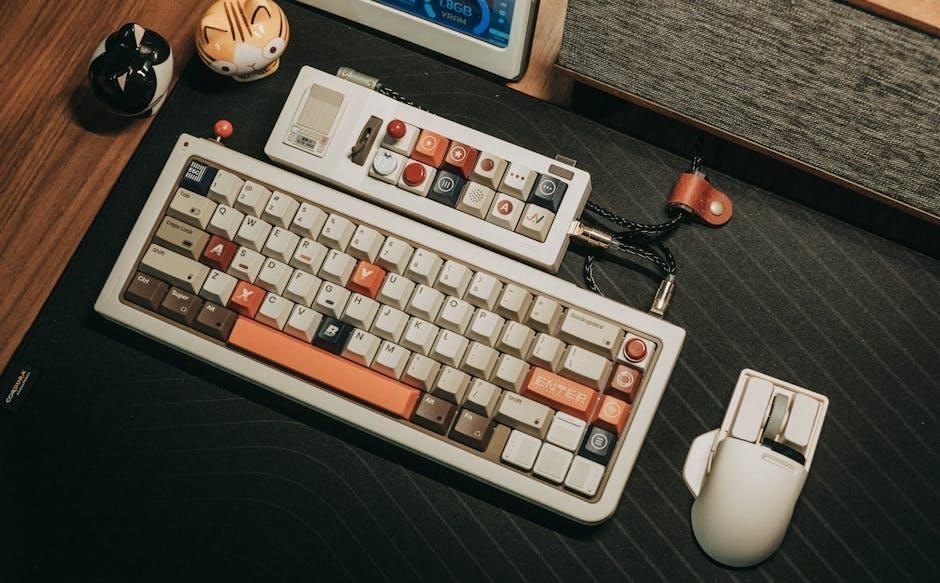
Experiencing intermittent connection drops with your Magegee keyboard can be frustrating. Similar to distinguishing between ‘affect’ and ‘effect’ – a matter of precise understanding – resolving connection issues requires methodical troubleshooting. First, verify the battery level if using a wireless connection; low power can cause instability.
For Bluetooth connections, ensure the keyboard isn’t experiencing interference from other wireless devices. Try moving closer to your computer or temporarily disabling other Bluetooth peripherals. Check for driver updates for your Bluetooth adapter, as outdated drivers can lead to connectivity problems.
If using a wired connection, inspect the USB cable for damage and try a different port. A faulty cable or port can cause intermittent signal loss. Restarting your computer can also often resolve temporary software glitches affecting the connection.
Cleaning and Maintenance
Maintaining your Magegee keyboard’s pristine condition ensures longevity and optimal performance. Just as understanding the nuance between ‘affect’ and ‘effect’ requires attention to detail, so too does proper keyboard care. Regularly remove keycaps for thorough cleaning – a gentle keycap puller is recommended to avoid damage.
Use compressed air to dislodge dust and debris from beneath the keycaps and within the keyboard chassis. For stubborn grime, dampen a microfiber cloth with isopropyl alcohol (ensure it’s nearly dry) and gently wipe surfaces. Avoid harsh chemicals or abrasive cleaners.

Periodically inspect the USB cable (if applicable) for wear and tear. Store your keyboard in a clean, dry environment when not in use. Consistent, gentle cleaning will prevent buildup and maintain responsiveness.
Warranty Information
Magegee keyboards are crafted with quality in mind, and we stand behind our products. This warranty covers defects in materials and workmanship under normal use for a period of one year from the date of original purchase. Just as careful distinction between ‘affect’ and ‘effect’ demonstrates precision, so too does our commitment to quality.
This warranty does not cover damage resulting from misuse, accidents, modifications, or unauthorized repairs. Keycaps, due to their nature of wear and tear, are not covered under warranty. To initiate a warranty claim, please contact our customer support team with proof of purchase and a detailed description of the issue.
We will, at our discretion, repair or replace the defective product. Shipping costs for warranty claims are the responsibility of the customer. This warranty provides specific legal rights, and other rights may vary depending on local laws.
Technical Specifications
The Magegee keyboard boasts a robust construction, designed for both performance and durability. Connection types include USB-C wired and Bluetooth 5.0 wireless, ensuring compatibility across various devices – much like understanding the nuanced difference between ‘affect’ and ‘effect’ enhances communication.

Keycap material is PBT double-shot, providing excellent texture and resistance to shine. The keyboard supports full N-key rollover and anti-ghosting, guaranteeing accurate input even during intense gaming sessions. Dimensions are 440mm x 135mm x 40mm, with a weight of approximately 1.2kg.
Power requirements are 5V DC, 500mA. Compatible operating systems include Windows, macOS, and Linux. RGB lighting offers 16.8 million colors and customizable effects. The internal memory can store up to five macro profiles, enhancing user personalization.
Safety Precautions
To ensure safe operation of your Magegee keyboard, please adhere to the following guidelines. Avoid exposing the keyboard to excessive moisture or liquids; accidental spills should be immediately wiped dry. Do not disassemble the keyboard, as this will void the warranty and may pose an electrical hazard – similar to how misusing ‘affect’ and ‘effect’ can cloud your message.
Keep the keyboard away from extreme temperatures and direct sunlight. Do not attempt to repair the keyboard yourself; contact qualified personnel for assistance. Use only the provided USB cable or a certified equivalent. Avoid dropping or subjecting the keyboard to strong impacts.

Disconnect the keyboard from the power source before cleaning. Use a soft, dry cloth for cleaning; avoid abrasive cleaners. This device complies with Part 15 of the FCC Rules. Operation is subject to the following two conditions: (1) This device may not cause harmful interference, and (2) this device must accept any interference received.